
Being told by an orthopedic specialist that you "need a joint replacement" is a daunting moment. For decades, the standard medical approach to severe osteoarthritis or degenerative joint pain has been a linear path: take painkillers, get steroid injections until they stop working, and finally, undergo invasive surgery.
But surgery is not your only option. Today, advancements in regenerative medicine are offering a powerful, minimally invasive alternative that targets the root cause of the pain rather than just masking the symptoms or cutting out the joint entirely.
The Reality of Joint Replacement Surgery
While joint replacement surgeries can be effective for end-stage degeneration, they come with significant drawbacks that patients must carefully weigh:
- Prolonged Recovery: Rehabilitation often takes months of painful physical therapy.
- Invasive Risks: Like all major surgeries, joint replacements carry risks of infection, blood clots, and anesthesia complications.
- The "Lifespan" of a Synthetic Joint: Artificial joints wear out. If you are relatively young when you receive one, you may require a complex revision surgery 15 or 20 years later.
How Regenerative Care Offers a Different Path
Regenerative medicine works on a fundamentally different principle: Biologic support. Instead of removing damaged tissue, these treatments utilize highly concentrated cellular components to stimulate the body's natural healing mechanisms.
By delivering targeted regenerative therapies directly into the site of the injury or degeneration, we aim to reduce chronic inflammation, improve joint lubrication, and support the stabilization of the joint structure. The procedure is ambulatory—meaning you walk in, receive the treatment, and walk out the same day.
"We do not view regenerative medicine as 'magic.' We view it as highly-targeted biological science applied precisely where the body has stopped healing itself."
Are You a Candidate? (The Honest Evaluation)
Here is the absolute truth: Regenerative medicine is not for everyone. If a joint is completely "bone-on-bone" with severe structural collapse, surgery may indeed be the only viable option.
This is why at Altevia Health, we employ an Evaluation-First approach. We do not sell treatments over the counter. Our process involves:
- Clinical Intake: Understanding your daily pain levels and mobility limitations.
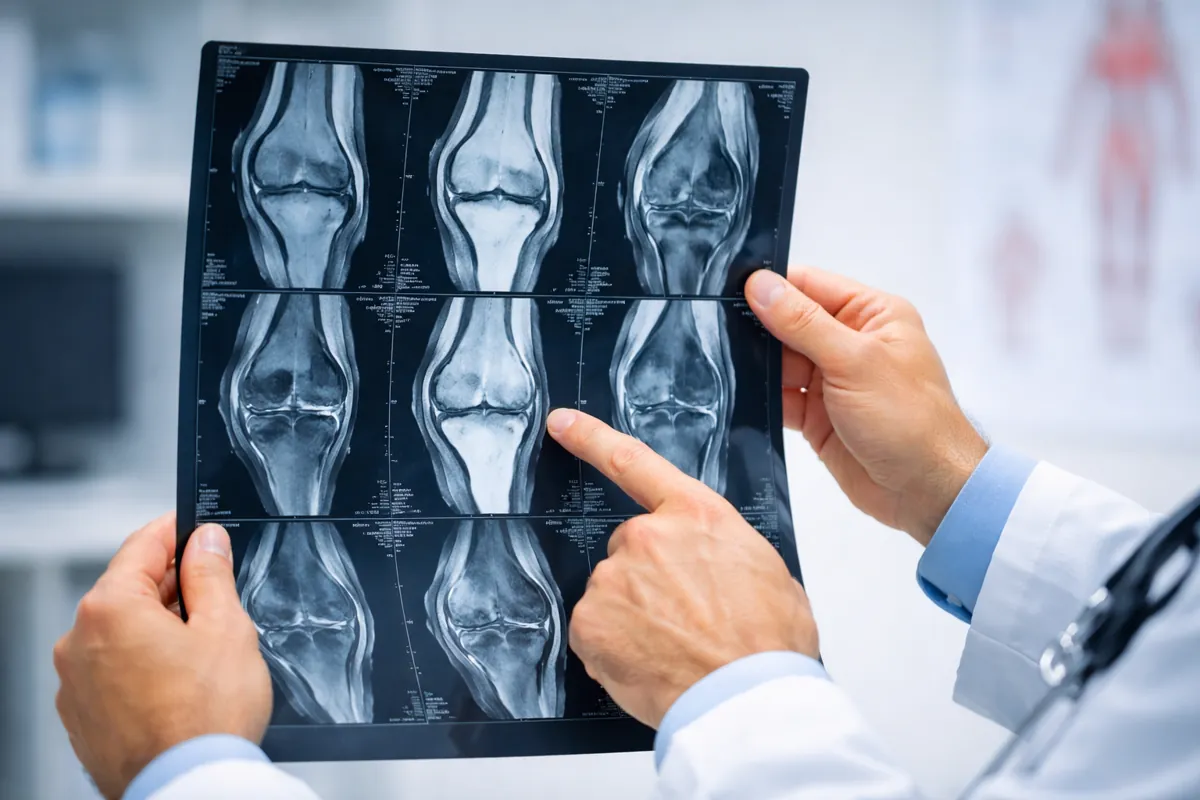
- Imaging Review: Analyzing your recent MRIs or X-rays to assess the actual physical state of your joint.
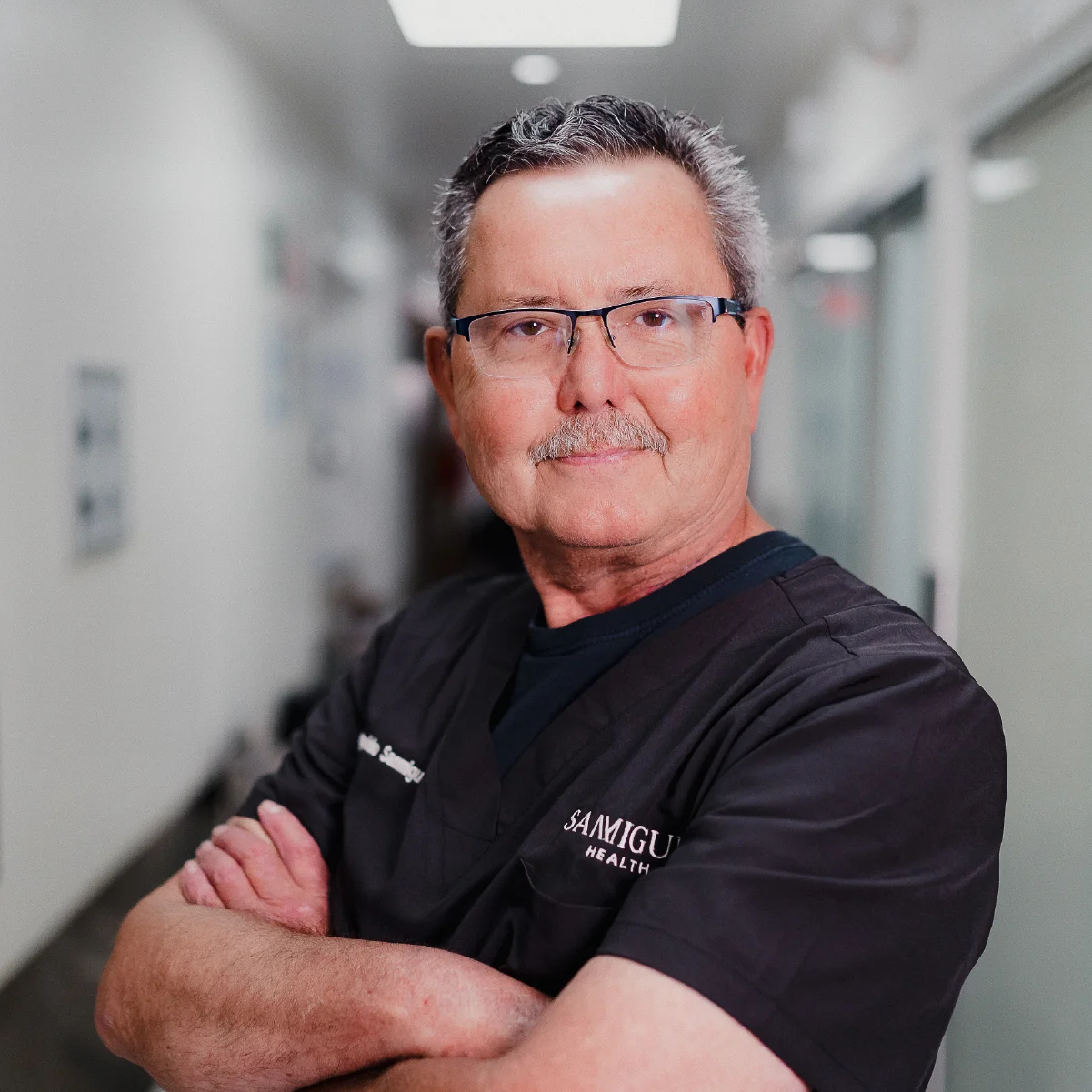
- Physician Consultation: Dr. Leopoldo and Dr. Andrea will review your case. If we believe regenerative care will not significantly improve your quality of life, we will tell you upfront.
Protect Your Native Joints
Your original joints are mechanical marvels. Whenever possible, preserving your native anatomy should be the priority. If you are experiencing chronic pain but want to avoid the operating room, an expert evaluation is your next step.
Related reading: What regenerative care really costs, U.S. vs. Mexico · How our cross-border logistics work
Find out if regenerative care can help you.
Our medical team is ready to review your case. Fill out our brief intake form, and if you are a potential candidate, we will request your imaging to build a customized care plan.
Request an Evaluation